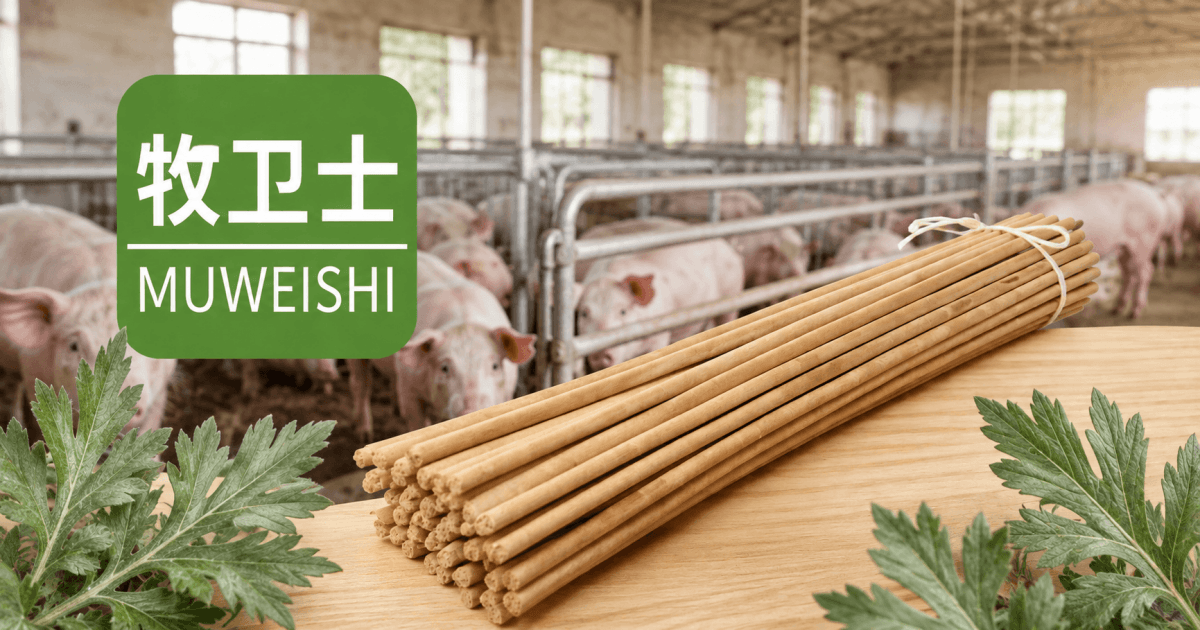

How to Control Mosquitoes and Flies as Disease Vectors Under Routine African Swine Fever Biosecurity
As African swine fever (ASF) prevention moves into a routine phase, pig farm biosecurity has shifted from "crisis lockdown" to "institutionalized long-term management". Within this system, mosquito and fly vector control is an often-overlooked but very real risk point. This article explains why vector control must be part of the ASF biosecurity system and how pig farms can implement it.
1. The Core of Routine ASF Prevention Is Biosecurity
ASF has no effective vaccine or treatment - prevention relies on biosecurity: keeping the virus out and cutting transmission. Routine prevention means three shifts:
- From ad hoc to routine: not just lockdowns during outbreaks, but daily zoning, disinfection, and wash-down protocols
- From key points to full coverage: vehicles, people, feed, water, and vectors all need management
- From isolated actions to a closed loop: any gap can undo all prior efforts
Vector organisms like mosquitoes and flies are exactly the link that "full coverage" and "closed loop" can easily miss.
2. The Role of Mosquitoes and Flies in Disease Transmission
To understand the value of vector control, look at where they sit in the transmission chain:
- Mechanical carriage: flies flying between contaminated zones and sheds can carry virus particles on their feet and bodies, creating indirect transmission risk
- Biting behavior: mosquito biting creates a potential blood-borne transmission route (for diseases like Japanese encephalitis it is a proven route - see our mosquito-borne disease primer)
- Production impact: even without transmitting disease, biting irritates pigs, lowers feed intake and rest, and weakens disease resistance
Unlike a general vector-disease primer, this article focuses on how mosquitoes and flies, as mechanical vectors, are systematically managed within ASF biosecurity built around contact and mechanical transmission.
3. Why the Biosecurity System Must Include Vector Control
Biosecurity is built on zoning: farms divide clean and dirty zones, with strict wash-down for people and vehicles crossing between them. But mosquitoes and flies have one defining trait - they ignore zoning. If fly density is high, flies can pick up pathogens in a dirty zone and fly into a clean shed, bypassing the wash-down system through an open "air corridor". Therefore:
- Zoning manages people, vehicles, and goods, but not flying insects
- Wash-down protocols solve what is "brought in"; vector control solves what "flies in"
- Both are needed for a complete closed loop
4. Practical Vector Control for Pig Farms
Bringing vector control into the biosecurity system takes four steps:
- Environmental management (breeding-site control): clear standing water around sheds, remove manure promptly, unclog drains, trim weeds - no breeding sites, no pests
- Physical barriers (blocking access): install window screens and air curtains at entrances to reduce insect entry
- Chemical control (density suppression): burn heavy-duty livestock coils in sheds for whole-night protection and apply residual spray around the perimeter
- Density monitoring (dynamic adjustment): log shed fly density and intensify treatment at peaks, as one indicator in biosecurity inspections
Timing: whole-night protection every day during the mosquito-active season (summer-autumn); complete overwintering treatment before winter to reduce next year's base.
5. Working With Wash-Down and Zoning Protocols
Vector control is not an isolated action - it must connect with existing protocols:
- Check window screen integrity during routine wash-down
- Focus disinfection on walls, corners, and cracks where insects rest
- Include fly density in daily inspection records as a biosecurity execution indicator
Who This Is For
- Large-scale pig farms: write vector control into biosecurity protocols and move to institutionalized management
- Restocking farms: carry out environmental cleanup and overwintering treatment before restocking
- Small and mid-size farms: use the low-cost combination of coils + screens + environmental management to close gaps
Under routine ASF prevention, mosquito and fly vector control is an indispensable link in the biosecurity loop. Combine environmental management, physical barriers, and chemical control with wash-down and zoning protocols to seal every opening in the transmission chain. Mushengwei livestock coils can serve as the routine chemical-control layer on pig farms; for purchasing or OEM customization, feel free to contact us.
FAQ
What role do mosquitoes and flies play in African swine fever transmission?
ASF spreads mainly through contact, contaminated feed and water, and contaminated vehicles and people. But mosquitoes and flies can act as mechanical vectors - flies flying between contaminated zones and sheds can carry virus particles on their bodies, and mosquito biting creates indirect transmission risk. In a biosecurity system, vector control is an important link for cutting transmission chains, especially in the mosquito-active summer and autumn seasons.
Why does a pig farm biosecurity system need fly control?
Biosecurity is built on zoning and cutting transmission. Farms divide clean and dirty zones with strict wash-and-disinfect procedures between them. Mosquitoes and flies, however, ignore zoning and fly freely between zones - if a fly picks up pathogens in a dirty zone and enters a clean shed, it bypasses the disinfection protocol through an unnoticed "air corridor". Suppressing fly density closes that hidden risk.
How do you implement mosquito and fly vector control on a pig farm?
Four steps: environmental management - remove standing water, manure, and corner breeding sites; physical barriers - install window screens and air curtains at entrances; chemical control - burn livestock mosquito coils in sheds for whole-night protection and apply residual spray around the perimeter; and density monitoring - intensify treatment when fly density rises. Vector control must work together with disinfection protocols and zoning to form a complete loop.