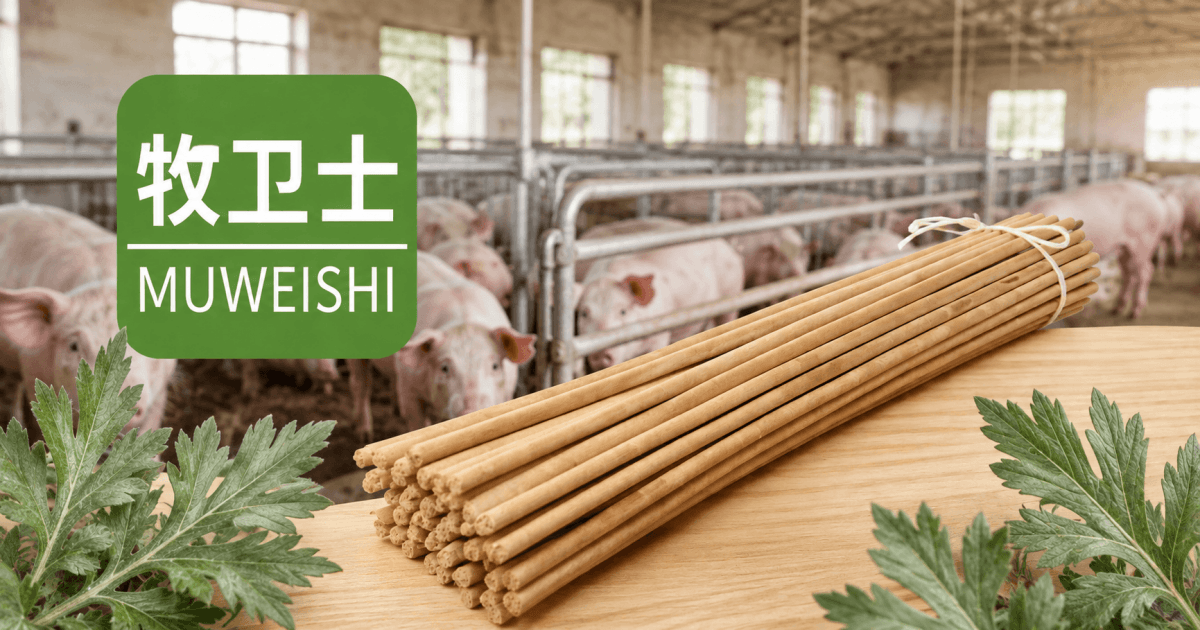

Livestock Mosquito Coil Not Working? Common Causes and How to Improve Effectiveness
The coils are lit and the money is spent, yet your livestock still get bitten and restless — the classic "mosquito control isn't working" frustration. Many farmers immediately blame the coil, but in most cases the problem is how it is used: poor placement, wrong sizing, or missing the peak timing window. This article helps you troubleshoot the common causes step by step and gives practical techniques to get more out of your livestock mosquito coils.
1. Why Is Effectiveness Poor? Check These Five Causes First
1. Placement
Over-wide spacing is the number one culprit. Every coil covers a limited radius; light them too sparsely and the gaps become mosquito "safe zones." Coils placed in corners or against walls also distribute smoke unevenly, leaving high-pressure areas near doors and manure gutters unprotected.
2. Sizing Does Not Match the Setting
Open barns and strongly ventilated farms using undersized coils dilute the active ingredient and weaken the effect. Barns with high mosquito pressure, large spaces, or strong airflow should switch to extra-strength long coils.
3. Lit Too Late
Mosquitoes become active at dusk and peak at night. Lighting up only after mosquitoes are already swarming means "getting bitten first, defending second." The right move is to light 30 minutes before the evening peak so an effective concentration is established first.
4. Treating Only the Symptom, Not the Source
If standing water, manure, and weeds around the barn are left untouched, mosquitoes keep migrating in from breeding sites — kill them out front while they arrive from behind, and effectiveness always falls one step short.
5. Storage and Moisture
A damp coil burns slower and releases the active ingredient unevenly, noticeably cutting effectiveness. Keep opened boxes sealed and dry, and don't make do with coils that have gone soft or deformed from moisture.
2. Four Techniques to Boost Mosquito Control
Once you have checked the causes, apply these four steps for a quick improvement:
| Technique | How to Do It |
|---|---|
| Size to area | One long coil per 60-80 sqm, one short coil per 20-30 sqm; add 0.8x more in strong ventilation |
| Light before the peak | Light 30 minutes before the evening peak and keep coverage overnight; check and refill before dawn |
| Rotate placement | Move coils every few days so mosquitoes cannot adapt to fixed zones |
| Combine with the environment | Remove standing water and manure, add screen nets and fly traps, and work coils together with all of it |
For sizing and quantity references, see how long a livestock coil burns and how much area it covers; for matching coils to different barn types, see how to choose the right livestock coil type.
3. Balancing Effectiveness and Safety Around Livestock
Strong mosquito control does not have to hurt your animals. Choose a properly registered, livestock-specific coil and follow the recommended dosage — effectiveness and safety go together:
- Barns with pregnant or young animals: use the milder, low-irritation Wormwood Coil
- Open cattle and sheep barns, free-range pens: use the Extra-Strength Coil for high density and strong ventilation
- All barns: keep ventilation so coil smoke never builds up in enclosed spaces
Different species call for different priorities — see pig farm mosquito control, cattle and sheep farm, and poultry house.
In one sentence: if farm mosquito control underperforms, check placement, sizing, timing, and environment first, then apply "light before the peak + size to area + rotate placement + combine with the environment." The coil is fine — the method needs to be right.
If you are not sure which size to use or how to lay out your barn, contact us for a one-on-one plan, or customize livestock-specific coils for your farm.
FAQ
What is the most common reason farm mosquito coils don't work well?
Placement and sizing are the usual culprits: coils spaced too far apart leave blind spots, open barns use undersized coils, and coils get lit in corners or sheltered spots. Timing also matters - coils should be lit before the evening mosquito peak, not after mosquitoes are already swarming.
How can I improve the effectiveness of livestock mosquito coils?
Four steps work best: match coil size and count to area (one long coil per 60-80 sqm, increase count for strong ventilation); light before the evening peak and keep coverage overnight; rotate placement regularly so mosquitoes don't adapt; and keep up environmental control - standing water and manure are breeding grounds that undercut any coil.
How do I get better mosquito control in livestock barns in summer?
In summer, when stocking density and mosquito breeding peak, use extra-strength long coils with denser spacing, combined with physical measures like screen nets and fly traps. Keep full overnight coverage through the dusk-to-dawn peak and check for gaps before dawn so protection never lapses.
Are mosquito coils safe for livestock? How do I balance effectiveness and safety?
Choose a properly registered livestock-specific coil and follow the label dosage - it is safe for livestock. Use milder, low-irritation options like wormwood coils in barns with pregnant or young animals, and keep barns ventilated. Effectiveness and safety don't conflict: pick the right product, control the dosage, and ensure airflow.