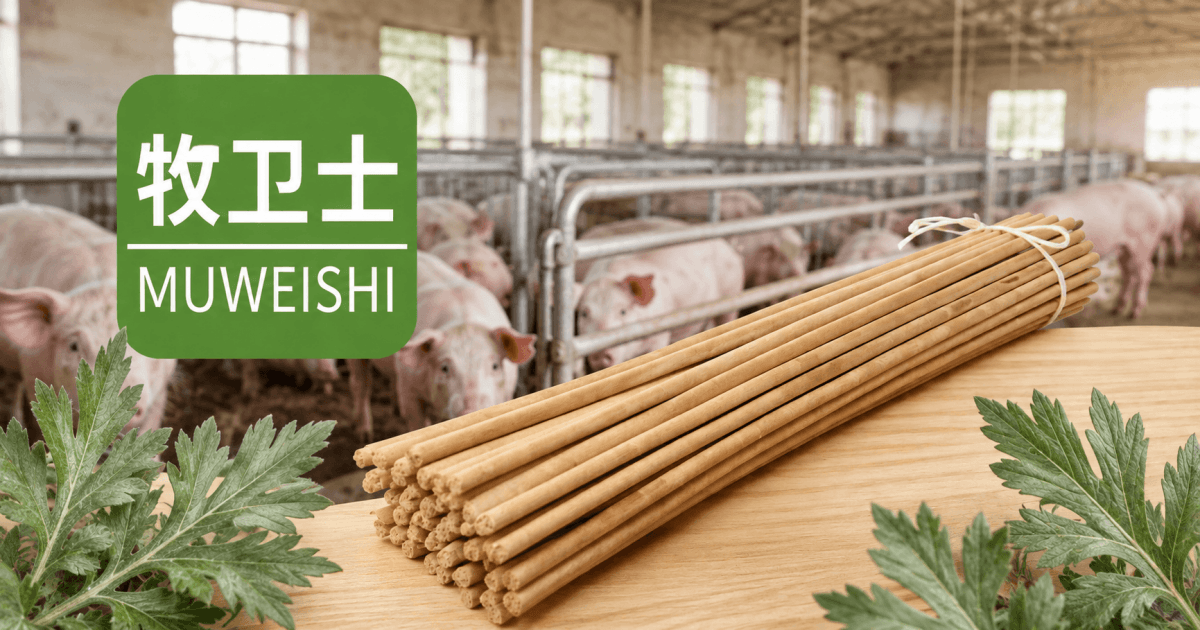

Low-Cost Mosquito Control for Small Rural Farms: A Few Dollars a Summer
Small rural farms raising chickens, ducks, geese, pigs, or sheep share one common summer headache: mosquitoes. Livestock get restless, feeding drops, rest suffers, and disease is always a worry. But small farmers value value—the solution must be cheap, simple, and effective. Based on real conditions, this guide covers a low-cost plan that protects the whole summer for just a few dollars.
1. Do the Math First: Mosquito Control Costs Almost Nothing
Many people assume mosquito control is a big expense, but the numbers say otherwise. Take the standard 1.2 m livestock coil:
- One stick covers 60-80 square meters overnight
- A small farm usually needs only 1-3 sticks
- Cost is a few dozen cents a day—a few dollars for the whole summer (about 5 months)
Against the losses—agitation, poor feed intake, slower weight gain, disease risk—this is a classic low-cost, high-return investment. For more detail, see monthly mosquito coil cost for a farm.
2. Choose the Right Type for Each Area
Small farms are simple, but different zones suit different coil types:
| Zone | Recommended | Size | Why |
|---|---|---|---|
| Pig pens, ordinary sheds | Standard | 1.2 m long | Best value, all-night coverage |
| Chicken/duck/goose coops | Wormwood | 45 cm short | Mild scent, low irritation for poultry |
| Outdoor free-range, open sheds | Strong | 1.2 m long | Powerful formula, works in wind |
Not sure which to pick? Start with how to choose a livestock coil type.
3. Place It Where the Mosquitoes Hurt Most: Rest Areas
No need to cover the whole site. Focus on where livestock rest at night—bites that ruin rest and feeding cost the most:
- Under shelters and in corners: light a stick near each resting spot, out of direct reach of animals
- Wind-protected spots: burning evenly, no waste
- Light before dusk: mosquitoes are most active at dusk; pre-light for all-night cover
- Add screens on doors and windows: keep mosquitoes from moving back in
For spacing and placement details, see livestock coil placement guide.
4. The Cheap Combo: Coils Plus Simple Site Cleaning
Coils alone are firefighting. Pair them with light environmental work to spend less and last longer:
- Drain standing water: basins, old tires, and ditches are mosquito breeding grounds—clean weekly
- Remove manure: manure attracts flies and breeds mosquitoes; clearing it slashes the base population
- Plant repellents: mint or other repellent plants around the shelter add a passive barrier
- Sticky boards/light traps: a few outside the shelter supplement the coils
This combo cuts coil usage further and costs even less. The overall approach matches the integrated pest management plan.
5. Summary
Small farms do not need fancy equipment. Pick the right type, calculate the right amount, place it correctly, and clear standing water, and a few dollars covers the whole summer. Fewer mosquitoes mean better rest, better feeding, and fewer sick animals—a small investment with a much bigger return. For dosage advice or bulk pricing, contact us or browse sizes and custom options.
FAQ
How much does mosquito control cost a small farmer per year?
For a standard 1.2 m livestock coil, one stick covers 60-80 square meters overnight. A small farm typically burns 1-3 sticks, costing only a few dozen cents a day—a few dollars across the whole summer (about 5 months). Compared to livestock agitation, poor feeding, and disease risk from bites, it is a classic low-cost, high-return investment.
Is mosquito coil safe for free-range chickens and ducks?
Safe, with three precautions: use livestock-specific coil, not household mosquito coil, since the formula suits livestock environments; keep the shelter ventilated so smoke does not build up; and use the milder wormwood short coil around young birds and pregnant animals to reduce irritation. Keep coil use away from silkworms, bees, and other insect-sensitive livestock.
A small farm has no enclosed shelters. How do you deal with heavy mosquito pressure?
For outdoor free-range and open sheds, use the strong 1.2 m long coil—a powerful formula for windy, open areas. Light several around the sheltered resting spots and corners, and pair with clearing nearby standing water and manure for longer-lasting results. Prioritize the areas where livestock rest at night, since that is where bites hurt most.
The coil burns out overnight and mosquitoes come back. How do I make it last?
First, choose the 1.2 m long coil for longer burn time and all-night coverage. Second, place it in a sheltered, wind-protected spot so it burns evenly and does not waste. Third, close shelter doors and windows before dusk and fit insect screens, because killing alone is not enough—if mosquitoes keep moving back in, the effect drops sharply.