
Too Many Flies in the Pig Shed? A Combined Mosquito & Fly Control Plan for Pig Farms
Pig sheds are warm, rich in manure and leftover feed-a natural breeding ground for flies. Heavy fly loads harass the herd, spread pathogens such as swine dysentery and Streptococcus, and degrade the shed environment. Many farmers only spray where flies gather, which fails repeatedly. The right approach: manage breeding sources first, suppress with coils at night, then add physical and chemical tools. This article gives a complete combined plan.
1. Where Shed Flies Come From
Flies are mostly bred inside the shed, not flown in. A single fly pair can reproduce several generations per summer. Main breeding sites:
| Breeding Source | Location | Management |
|---|---|---|
| Manure channels and piles | Under slatted floors, outdoor piles | Remove manure daily, cover, apply lime or larvicide regularly |
| Leftover feed | Around troughs, spilled feed | Feed on schedule, clean promptly, store sealed |
| Standing dirty water | Corners, drainage | Clear drains, wash dead corners |
| Carcasses and placenta | Disposal points | Remove same day, deep burial or rendering |
Spraying without removing sources leaves flies a "delivery room". Source management is the cornerstone of the whole plan and the core of Integrated Pest Management.
2. Night: Suppress Mosquitoes and Flies with Coils
At night flies rest motionless on walls, railings and ropes-the best time for insecticidal smoke. Night-time livestock coils deliver two values:
- Killing mosquitoes: mosquitoes are active at night and the coil's main target, protecting herd rest. See Mosquito Coils in Pig Farms;
- Suppressing resting flies: pyrethroid smoke knocks down resting flies; consecutive nightly use markedly lowers the next day's fly base.
Use by pen type:
- Finishing pens: highest density-use the Strong formula 1.2 m long stick, covering 60-80 sqm all night;
- Sow and nursery pens: prefer the Wormwood formula, mild and low-irritation, with 45 cm short sticks for flexible placement;
- Open large pens: light earlier at dusk, reduce airflow to maintain smoke concentration. For coil effect on flies, see Can Livestock Coils Kill Flies.
3. Day: Physical Trapping + Housekeeping
By day flies are active and smoke is less effective, so use physical tools:
- Fly paper/tapes: hang in walkways, feed rooms and above manure channels every 20-30 m, replace when full;
- Fly lamps: install in personnel corridors and feed rooms, away from direct sunlight;
- Daily manure removal: clear every day; midday removal in summer best interrupts the breeding cycle;
- Lime application: around manure channels and corners-dries the environment and suppresses larvae.
4. Chemical Supplement: Using Fly Products with Coils
During outbreaks, add chemical tools on top of coils, with safety in mind:
- Baits/slow-release products: place where flies gather but animals cannot reach (high shelves, manure channel edges);
- Residual spraying: apply on walls and railings where flies rest, avoiding troughs and drinkers per label;
- Principles for combining with coils: never at the same spot and time, control total dosage, ventilate well. See Using Fly Spray and Coils Together Safely.
Use chemicals extra carefully in pregnant sow sheds: choose the Wormwood formula coil and consult a vet before any chemical use. See Coil Safety for Pregnant Animals.
5. Summer Fly-Control Calendar
| Time | Action |
|---|---|
| Every morning | Remove manure, clean feed leftovers |
| Dusk | Light coils in sheds (Strong/Wormwood by pen type) |
| Night | Reduce airflow 1-2 h then ventilate moderately; coils burn all night |
| Weekly | Check fly paper, re-apply lime, clear drains |
| Monthly | Treat outdoor manure piles, review coil usage and cost |
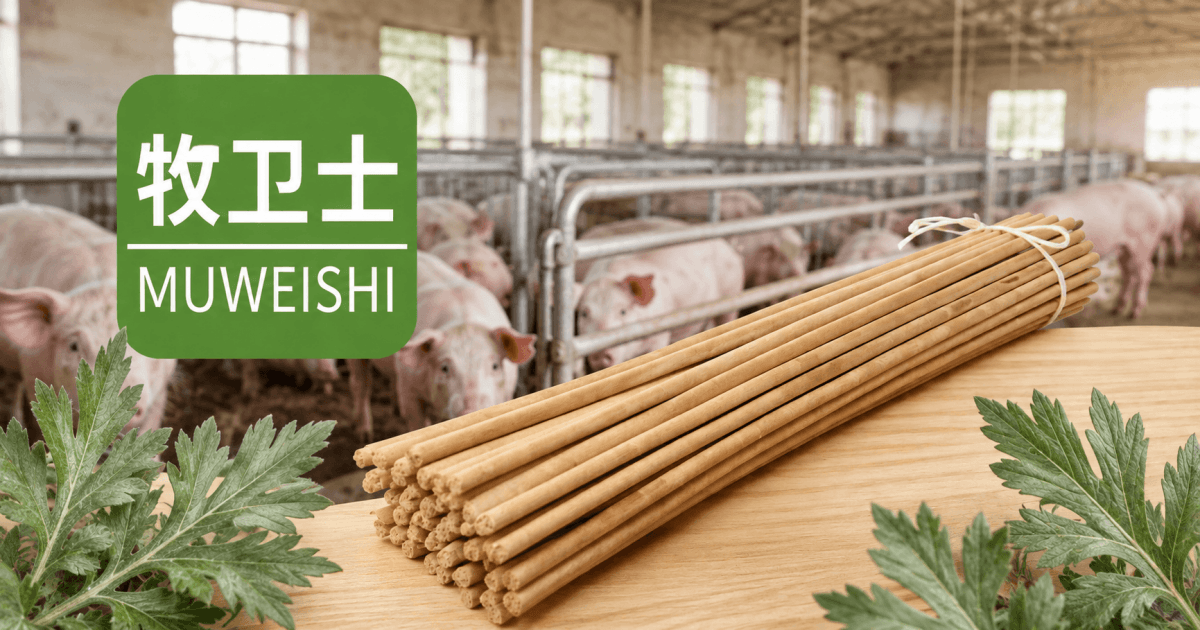
In summary: heavy shed flies cannot be beaten by spraying alone-run three lines together: source removal, night coil suppression, and daytime physical trapping. MUWEISHI provides standard, wormwood and strong stick coils for pig farms. For a plan tailored to your sheds, contact us.
FAQ
Why are there so many flies in my pig shed and how do I get rid of them?
Flies are mostly bred inside the shed rather than flown in, mainly in manure channels and piles, leftover feed, standing dirty water, and carcasses or placenta. The approach is to manage breeding sources first (daily manure removal, lime or larvicide, clear drains), suppress with coils at night, then add physical trapping and chemical supplements.
Do mosquito coils kill flies in pig sheds?
Yes. Night-time livestock coils deliver pyrethroid smoke that knocks down resting flies on walls, railings, and ropes, and consecutive nightly use markedly lowers the next day's fly base, in addition to killing mosquitoes that are active at night.
Which mosquito coil should I use for finishing pens versus sow and nursery pens?
Finishing pens, which have the highest density, should use the strong-formula 1.2 m long stick covering 60-80 sqm all night. Sow and nursery pens should prefer the wormwood formula, which is mild and low-irritation, with 45 cm short sticks for flexible placement; light at dusk and reduce airflow to keep smoke concentration.