
Does a Livestock Farm Need Mosquito Control in Winter?
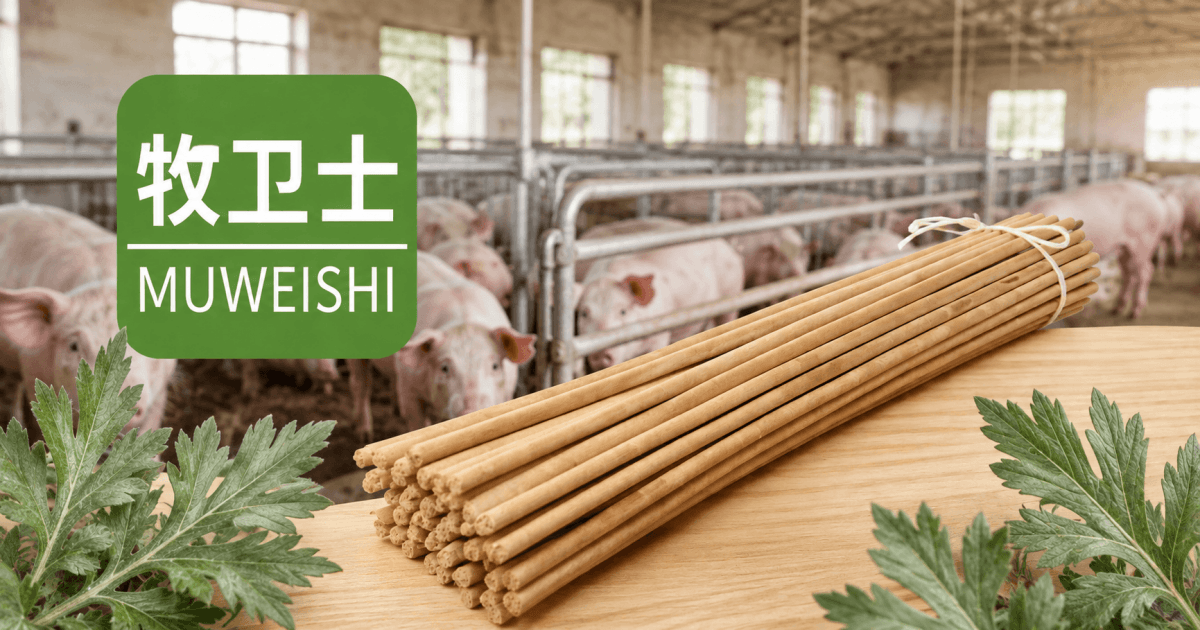
Does a livestock farm still need mosquito control in winter? Many people assume mosquitoes are "a summer problem" and that once winter arrives the pens are quiet and coils can be packed away. That assumption is wrong. Overwintering mosquitoes hide in pen corners, manure channels, and weed piles waiting for temperatures to rise. In southern China, winter stays warm enough for mosquitoes and flies to remain active. And when early spring arrives, overwintering mosquitoes wake first and reproduce rapidly. Winter mosquito control is not redundant-it is the key step that lowers next year's pest baseline and buys you initiative for the whole year. This article draws on MUWEISHI livestock coils to explain why winter control matters and how to burn coils in cold conditions. For high-season contrast, see Summer Livestock Mosquito Control.
1. Overwintering Mosquitoes: The Hidden "Lurkers"
Mosquitoes overwinter as eggs, larvae, or adults, and adult overwintering is the most troublesome. In late autumn, some females take a full blood meal and retreat to warm, humid, sheltered spots-pen cracks, manure channels, feed storage, weed piles, and drains are ideal refuges. Their metabolism drops, they barely move, yet they can survive for months.
- Hiding spots are often inside pens: Indoor temperatures run higher than outdoors, and manure channels stay humid-a natural "hotbed" for overwintering mosquitoes.
- They revive as temperatures climb: When the air stays above 10°C, overwintering mosquitoes begin to move; above 15°C they can bite and breed.
- One overwintering mosquito = next year's swarm: Lowering the overwintering baseline in early spring sharply cuts the summer peak.
Overwintering mosquitoes are few in number, but they are the "seed bank" of next year's outbreak. Winter cleaning and control cut the reproduction chain at the source.
2. Southern China: Mosquitoes Never Truly Hibernate
Winter temperatures across southern China mostly stay between 5-15°C, and parts of the south are even warmer. These conditions do not freeze mosquitoes out or fully halt activity:
- South China: Mosquitoes and flies are visible nearly year-round; density drops below summer peaks but never breaks.
- East and Central China: In mild-winter years, activity extends into December or even January, with only brief dormancy during cold snaps.
- Insulated sheds and fermentation-bed pens: Interior temperatures often stay above 15°C, so mosquitoes and flies keep breeding through winter.
For southern farms, winter control is not "preventive" work but real daily defense. Inside insulated, closed pens, where temperature and humidity stay comfortable, density can even rise instead of fall.
3. Autumn-Winter Density Changes and Early-Spring Prevention
From late autumn to early spring, mosquito and fly density moves through a "decline-dormancy-rebound" cycle:
| Period | Mosquito/fly status | Control focus |
|---|---|---|
| Oct-Nov (late autumn) | Density falling, adults seek overwintering spots | Clear breeding sites, seal cracks |
| Dec-Jan (mid-winter) | Dormant or sporadic activity | Treat hiding spots, manure channels |
| Feb-Mar (early spring) | Warming revives overwintering mosquitoes | Prevent early, suppress baseline |
The point of early-spring prevention: at this moment overwintering mosquitoes are few, weak, and have not yet begun reproducing-the easiest window of the year to wipe them out. Wait until April-May when density climbs, and the same effort yields far less. For an integrated approach, see How to Kill Mosquitoes Effectively in a Farm.
4. Cold-Weather Coil Burning and Placement Tips
In winter, the key to using livestock coils is not "more quantity" but "right lighting and placement":
- Place on dry ground: Winter pens wick moisture even worse. Damp ground suppresses burning and causes mid-burn extinction. Always choose a dry spot, or use a dry brick board or metal sheet.
- Ventilate but avoid strong wind: Insulated closed pens have poor airflow and need some ventilation to clear smoke, but strong wind, drafts, and direct fans disperse active ingredients-place coils in sheltered spots.
- Light early in the afternoon: Winter mosquito and fly activity peaks in the warm afternoon-to-evening window, slightly earlier than summer. Light around 3-4 PM.
- Type choice: For low-temperature, low-density scenarios, use the Standard long stick for all-night protection. In closed insulated sheds or around pregnant and young animals, choose the milder Wormwood type.
- Pair with shed cleaning: Winter control must pair with thorough manure clearing, ditch dredging, and wall-crack sealing to remove overwintering hiding spots.
One reminder: coils must stay sealed against moisture even in winter-damp coils burn incompletely and lose effect. See product usage notes. Silkworms and bees are sensitive to coils-sericulture and apiary farms must not use them.
A livestock farm still needs mosquito control in winter. Overwintering mosquitoes are the "seed" of next year's pest population, southern winters never fully shut down mosquito activity, and early-spring prevention suppresses the annual baseline at the lowest cost. In cold conditions, the keys to using livestock coils are dry-ground placement, moderate ventilation away from strong wind, early afternoon lighting, and pairing with shed cleaning and crack sealing. As a source factory, MUWEISHI offers the standard, wormwood, and strong types in full and supports custom solutions. For winter mosquito control plans and pricing, contact us.
FAQ
Do livestock farms need mosquito control in winter?
Yes. Overwintering mosquitoes hide in pen corners, manure channels, feed storage, weed piles, and drains as the 'seed bank' of next year's outbreak. In southern China, winter temperatures mostly stay between 5-15 degrees Celsius, so mosquitoes and flies remain active nearly year-round, and insulated sheds can stay above 15 degrees Celsius and keep breeding. Winter control lowers the next year's pest baseline.
When do mosquitoes become active again after winter?
Overwintering mosquitoes begin to move when air stays above 10 degrees Celsius and can bite and breed above 15 degrees Celsius. In southern China they are visible nearly year-round, and in East and Central China mild-winter years extend activity into December or even January. Early-spring prevention in February-March is the easiest window, since overwintering mosquitoes are few, weak, and have not yet begun reproducing.
How do I use mosquito coils in winter?
Place them on dry ground or a dry brick board or metal sheet, since damp ground suppresses burning. Ventilate insulated pens but keep coils in sheltered spots away from strong wind and fans. Light around 3-4 PM because winter mosquito and fly activity peaks in the warm afternoon-to-evening window. Use the standard long stick for all-night protection, or the milder wormwood type in closed insulated sheds and around pregnant and young animals, and pair with manure clearing and crack sealing.