
Green Farm Mosquito Control: How to Combine Biological, Physical and Chemical Methods?
Come summer, mosquitoes cling to farms like glue. Pigs get restless and lose condition, dairy cows drop milk production, and chickens, ducks and geese sleep poorly and lay fewer eggs. Worse, mosquitoes don't just bite — they are a major vector for diseases such as Japanese encephalitis in pigs and leucocytozoonosis in poultry. Many farmers' first instinct is to stock up on more coils, but the most reliable approach is a combination. Green farm mosquito control means pairing biological, physical and chemical methods under an eco-friendly, cost-aware plan — each covering what the others miss, instead of betting on a single tool.
Why one method alone isn't enough
A mosquito's lifecycle is a long chain: larvae hatch in sewage ditches, manure piles and standing water, while adults hide in dark, damp corners by day and come out to bite at night. Any single method only hits one link. Bug zappers attract a share of flying adults but do little for daytime biters or mosquitoes tucked in corners; repellent plants, however fragrant, won't hold up against a strong wind or a heavy swarm; and using one chemical repeatedly invites resistance.
The dependable approach: environmental cleanup to remove the source, physical barriers to block entry, and chemical repellents to knock density down fast. All three, working together.
Breaking down the three types of control
Get the site clean first — it does more than any repellent.
Biological and environmental control goes after the root cause. Clear sewage ditches, manure heaps and standing water every week; keep houses dry and well ventilated so mosquitoes have nowhere to breed; plant mint, mugwort and citronella around pig pens and cattle sheds for a natural deterrent effect; and where possible, treat standing water with larvicides such as Bacillus thuringiensis. Low cost, no residue — this is the foundation of any green program.
Physical control closes the door. Fit screen mesh on windows and doors and hang mosquito flaps at entries; place bug zappers sized to the house area to trap adults at night; and manage light and temperature with good ventilation so mosquitoes don't gather. Physical measures produce no smoke or residue, which makes them ideal for farrowing houses and brood sheds.
Chemical control is the efficient booster. On top of environmental and physical work, a livestock mosquito coil suppresses mosquito numbers quickly and at low cost. The key is choosing a coil designed for livestock — the right actives and strength — rather than a household product. And where pregnant or young animals are concerned, go for a mild, low-irritation formula.
| Type | Typical measures | Main role | Notes |
|---|---|---|---|
| Biological / environmental | Clean breeding sites, ventilation, repellent plants, larvicides | Remove the source | Needs consistency; it's daily work |
| Physical | Screens, bug zappers, mosquito flaps, light & temperature control | Block entry, no residue | Ideal for farrowing houses and brood sheds |
| Chemical | Livestock mosquito coil | Knock density down fast | Pick livestock-specific; mild for pregnant stock |
Scene-by-scene combinations
- Pig farms: high density and heat make pigs prime targets. Start with manure removal and drainage, add screens and bug zappers indoors, and use a coil in the evening to cut pressure — especially against mosquito-borne diseases.
- Cattle and sheep farms: sheds are mostly open, so focus on clearing breeding sites, planting repellent plants and hanging flaps at gates; don't leave standing water around troughs, and burn a coil toward evening when needed.
- Poultry farms: birds are sensitive to smoke, so brood houses should rely on screens and zappers; for adult houses, pair with a low-irritation coil and keep ventilation good — never let smoke drift over feeders or drinkers.
Safety reminder for pregnant and young animals
In farrowing houses, brood sheds and other sensitive areas, safety comes first. Chemical control is fine when used right: choose a livestock-specific product that is safe for pregnant stock, control the dose, keep air moving, and keep coils away from feed and water. For pregnant animals, prefer a mild formula such as mugwort-based coils — gentler, lighter smoke, safer for dam and offspring alike.
The coil that takes the hassle out of it
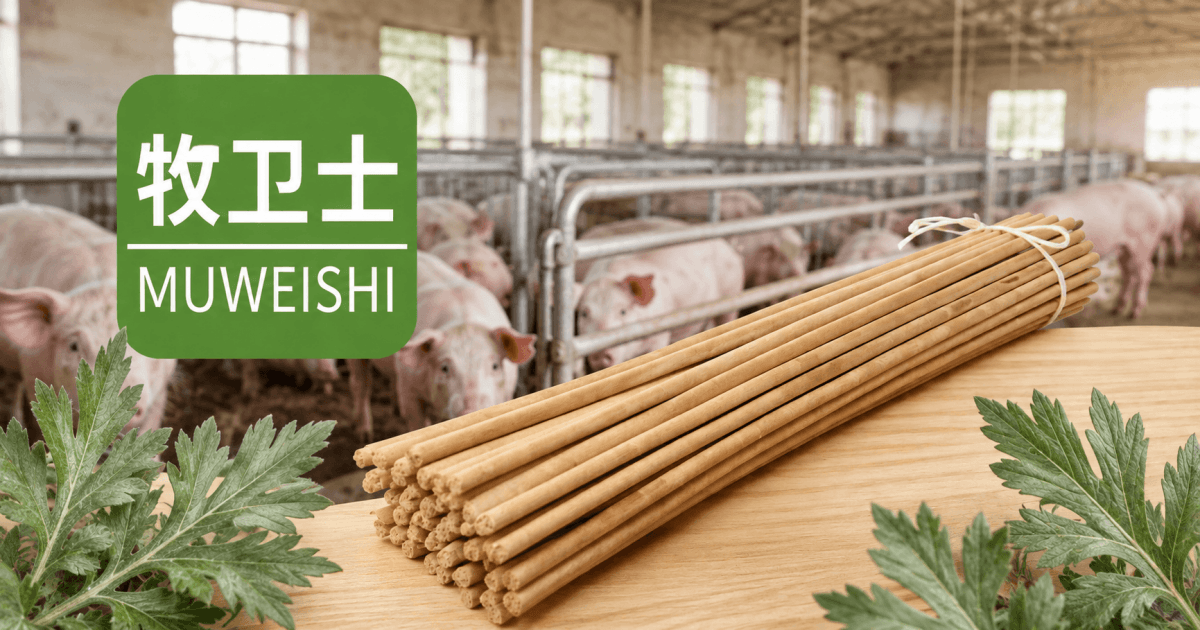
All of this comes down to the product. MUWEISHI (牧卫士) is made by Hunan Yiyang Mukang Bangxiang and supplied directly from the source factory — original-factory pricing, good value at volume, safe and effective, working within about 10 minutes. The standard coil suits everyday broad-area repellency, the strong coil handles high-pressure pig pens and cattle sheds, and the mugwort (Aiye) coil is gentle and low-irritation and safe for pregnant and young animals — which makes it the "gentle yet efficient" link in a green program. It doesn't replace environmental and physical controls; it simply completes the chemical leg with the least effort. Not sure where to start? Compare the standard, mugwort and strong options, or contact us and we'll put together a combination for your farm.
Combine the three types of control and green mosquito control gets simple: environment first, physical barriers second, coils for the efficient finish. Still deciding which product and how to combine them? Contact us — the source factory will build a plan around your actual setup.
FAQ
Is a bug zapper enough for a cattle farm with heavy mosquito pressure?
No. A zapper only catches part of the adults that fly at night and does little for those hiding in manure piles and grass by day. The dependable route is environment cleanup as the base, zappers as support, and a livestock coil to quickly knock down the density.
Can mosquito coils be used around pregnant and young animals?
Yes, as long as you pick a livestock-specific, low-irritation product. MUWEISHI's mugwort (Aiye) coil is designed for such scenarios — a gentle mugwort formula with light smoke, and even safer when you keep the house ventilated.
Do repellent plants actually work?
They help, but only as a supporting measure. Mint, mugwort and citronella give off scents that deter mosquitoes to a degree, so they work well planted around sheds and gateways — just don't expect them to replace real mosquito control.