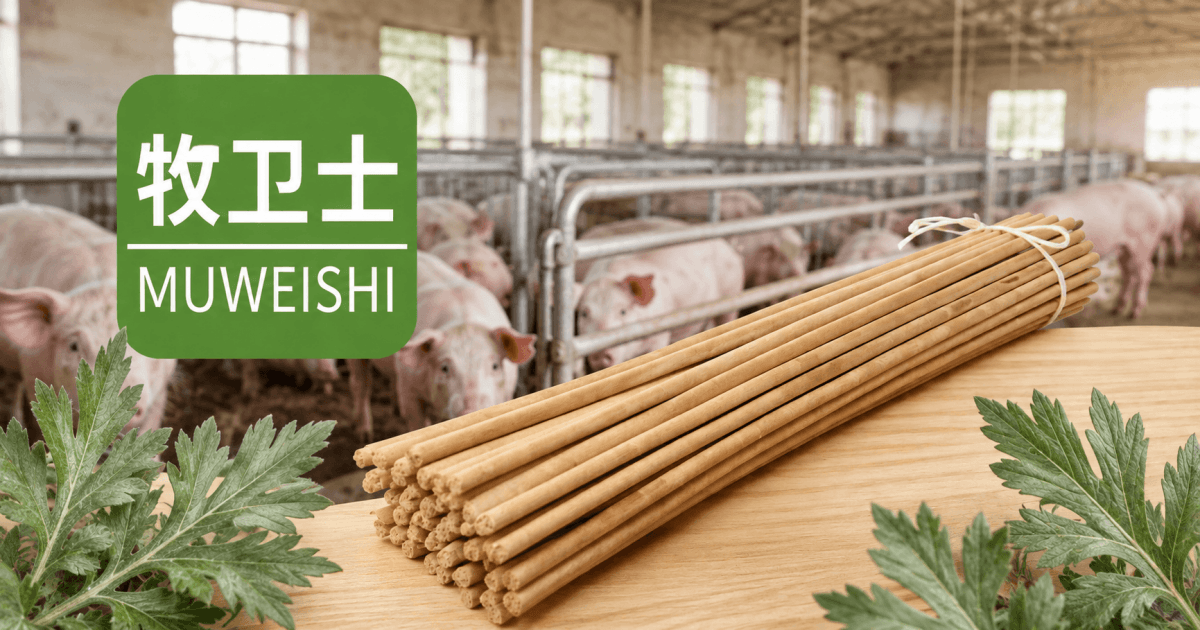

Mosquito Coils for Horse Stables: Mild Wormwood Stick
How to choose mosquito coils for horse stables? Horses are unusually sensitive to flies and mosquitoes. Continuous harassment disrupts racing performance and breeding, and mosquitoes can transmit mosquito-borne diseases such as equine infectious anemia and equine encephalitis. A stable mosquito plan should combine "low-irritation first + proper placement + ventilation and cleanup," rather than simply chasing the strongest formula. This article draws on MUWEISHI livestock coils to give actionable mosquito and fly control methods for stables. For type-selection logic, see How to Choose Mosquito Coils for Cattle and Sheep Farms? Summer Fly and Mosquito Control Plan.
1. Why Horse Stables Need Special Mosquito Control
Horses are more sensitive to mosquitoes and flies than most livestock, mainly because:
- Sensitive airways: Horses have large upper airways and lung capacity, and react strongly to smoke and irritating odors. Heavy smoke can trigger coughing and airway stress.
- Strong behavioral stress: Mosquito and fly bites make horses restless, kicking and swishing tails constantly, which disrupts racing training rhythm and stallion breeding schedules.
- Mosquito-borne disease risk: Mosquitoes can mechanically transmit blood-borne diseases such as equine infectious anemia, with summer as the peak season.
- High coat value: Bites leave wheals and scratch marks that affect the appearance scoring of racehorses and show horses.
Therefore, the first principle of choosing a coil for stables is "low irritation and mild scent," with killing efficiency coming second. This differs from pig and poultry farms, where brute strength is often the priority.
2. Type Choice: Mild Wormwood Stick for Sensitive Airways
Given the sensitive equine airway, the three livestock coils rank as follows for stable use:
| Stable scenario | Recommended type | Recommended size | Reason |
|---|---|---|---|
| Racehorse boxes, stallion boxes, foal rooms | Wormwood | 1.2m long | Adds wormwood plant extract, mild and low-irritation, suited to sensitive airways |
| Standard stables, grouped horse rooms | Standard | 1.2m long | Basic and efficient, cost-effective, overnight 60-80 sqm coverage |
| Open horse farms, grazing areas | Strong | 1.2m long | Handles high density and strong airflow, but keep away from direct airflow onto horses |
| Foaling rooms, isolation boxes | Wormwood | 45cm short | Flexible short top-up, milder for mares and foals |
The wormwood stick is the first choice for stables. For its formula features, see Wormwood Livestock Mosquito Coil: Mild and Low-Irritation for Pregnant, Young and Sensitive Stock. Medication for foaling mares and nursing foals needs extra caution-see Is Mosquito Coil Safe for Pregnant Animals? Wormwood Stick Is Mild and Low-Irritation for Safe Use.
3. Stable Placement Methods
Stables are usually single- or double-aisle layouts. Placement points:
- Distribute evenly along the stable aisle: One long stick per 60-80 sqm, placed at intervals along the aisle. Avoid stacking in one spot to build an even concentration field.
- Place on dry ground: Stable floors wick moisture and often hold urine. Damp ground undermines burning stability-use a dry spot or a dry brick board.
- Avoid strong wind and direct airflow on horses: Stables have strong drafts. Windy spots or direct fan airflow disperses active ingredients and lowers local concentration. Also keep smoke from blowing straight into a horse's head and face.
- Keep away from feed and water troughs: Place points away from hay racks and water troughs so scent does not taint feed.
- Light early at dusk: Peak mosquito and fly activity runs evening to early morning. Light 10-15 minutes early so effective concentration is already in place at the peak.
For more general point layout and dosage calculation, see How to Place Mosquito Coils on a Farm for Best Results: Point Layout and Dosage.
4. Ventilation and Environmental Cleanup
Coils alone are not enough. Stables must pair with environmental management:
- Manure management: Clear manure daily and compost it at a point away from the stable to cut fly breeding.
- Drain standing water: Clean trough overflow and dredge drainage ditches so mosquitoes cannot lay eggs.
- Ventilation and insect screens: Fit windows with insect screens and vents with mesh to keep airflow while blocking adult insects.
- On-body protection: Pair with horse fly masks and fly sheets to reduce surface harassment.
Tip: Horses have a keen sense of smell, and a freshly opened coil smells stronger. Light it in an empty box for about 10 minutes to air out before leading the horse in, reducing first-time stress.
Note especially that silkworms and bees are sensitive to coils-sericulture and apiary farms must not use them. Seal coils after opening to prevent moisture-damp coils burn incompletely and lose effect.
Mosquito and fly control in horse stables comes down to "low-irritation first + even placement + environmental support." Horses have sensitive airways and strong stress responses, so the wormwood stick with its mild, low-irritation formula is the first choice. Place coils evenly along aisles, on dry ground, away from wind and direct airflow; then add manure and standing-water cleanup, insect screens, and on-body protection so racehorses and stallions can pass the summer in peace. As a source factory, MUWEISHI offers the wormwood, standard, and strong types in full and supports custom solutions. For stable mosquito control plans and pricing, contact us.
FAQ
What type of mosquito coil is best for a horse stable?
The wormwood stick, with its mild, low-irritation formula, is the first choice for horses' sensitive airways - recommended for racehorse boxes, stallion boxes, and foal rooms in the 1.2 m long size. Standard is fine for standard stables and grouped horse rooms with overnight 60-80 sqm coverage, and Strong suits open horse farms or grazing areas but must be kept away from direct airflow onto horses. For foaling rooms and isolation boxes, use the wormwood 45 cm short for flexible short top-ups.
How should mosquito coils be placed in a horse stable?
Distribute one long stick per 60-80 sqm evenly along the stable aisle rather than stacking in one spot; place on dry ground (stable floors wick moisture and often hold urine); avoid strong wind and direct fan airflow so smoke doesn't disperse or blow into a horse's head and face; keep coils away from hay racks and water troughs so scent doesn't taint feed; and light 10-15 minutes early at dusk so effective concentration is ready at the peak. To reduce first-time stress, light a fresh coil in an empty box about 10 minutes before leading the horse in.
What else does a horse stable need besides mosquito coils?
Pair coils with environmental management: clear manure daily and compost it away from the stable, drain standing water so mosquitoes cannot lay eggs, fit windows with insect screens, and use horse fly masks and fly sheets for on-body protection. Note that silkworms and bees are sensitive to coils so sericulture and apiary farms must not use them, and seal coils after opening to prevent moisture since damp coils burn incompletely.