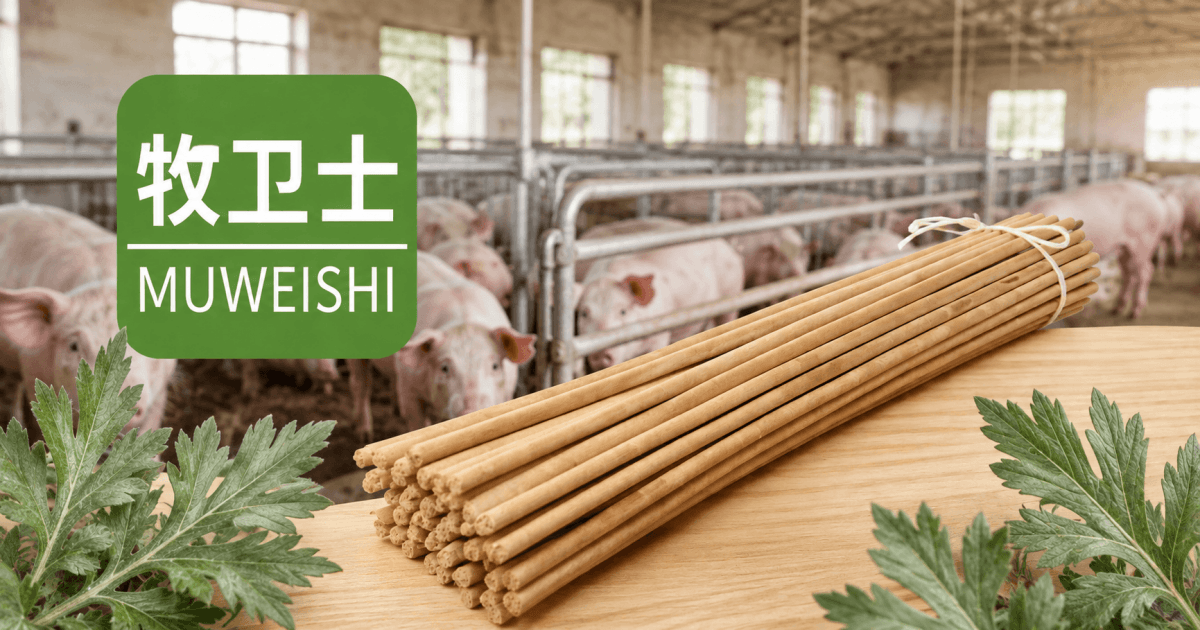

Dealing with Mosquito Resistance: Coil Rotation and Alternating Pesticides on Livestock Farms
Using the same mosquito coil season after season is one of the most common reasons farm mosquito control quietly stops working — that is insecticide resistance. When mosquitoes develop resistance to the pyrethroid active ingredients in coils, the classic symptom is "the coil is burning, the mosquitoes are still biting, and the product gets less effective every year." Many farms respond by simply lighting more coils, which only raises cost and smoke exposure without fixing the problem. This article explains how resistance forms, how to recognize it, and how coil rotation and alternating pesticide strategies can help farms escape the "less and less effective" trap.
1. How Mosquito Resistance Develops
Resistance is not the coil "going bad" — it is a genetic change in the mosquito population driven by sustained selection pressure. There are three main mechanisms:
- Target-site resistance: Mutations in the mosquito nervous system's sodium channel genes (known as kdr, knockdown resistance) stop pyrethroids from binding effectively, so the knock-down and paralyzing effect is greatly reduced
- Metabolic resistance: Detoxifying enzymes (cytochrome P450 monooxygenases, esterases, and similar) become more active and break the active ingredient down faster
- Behavioral resistance: Some mosquitoes learn to avoid the smoke and keep operating in areas the smoke does not reach
The core logic is simple: when the same active ingredient is used continuously, susceptible individuals are killed while a few naturally resistant ones survive and reproduce, so resistance genes rise in frequency generation after generation. Most livestock coils rely on pyrethroid active ingredients (such as meperfluthrin and d-allethrin), and pyrethroids share cross-resistance — mosquitoes resistant to one are usually insensitive to the others in the same class. This is exactly why "switching brands did not help."
2. How to Tell If Mosquitoes Are Resistant
Resistance has no clear-cut alarm like a broken machine; you mainly detect it by observing and comparing. Watch for four signals:
| Observation | What you see | What it suggests |
|---|---|---|
| Weaker effect | Far fewer dead or knocked-down mosquitoes at the same usage | The most common resistance signal |
| Shorter duration | Coils used to cover the whole night; now mosquitoes revive by midnight | Lower mosquito sensitivity |
| Biting continues | Mosquitoes still approach and bite animals despite the smoke | Target-site or behavioral resistance |
| Switching brands fails | A different brand with the same active ingredient still performs poorly | Cross-resistance — same ingredient, different label |
Always rule out environmental factors first: higher mosquito density, gaps in screens, and high humidity all weaken coil performance. Keep a mosquito control log recording the product, active ingredient, dosage, and results each time; repeated comparison is the only solid basis for judgment. If you suspect resistance, pause and compare your current results against the records from the beginning of the season.
Golden rule: if effectiveness drops by more than 30% with the same product and the same dosage, and environmental factors are ruled out, start rotating — do not wait until the coils look completely useless.
3. The Right Way to Rotate Mosquito Coils
Rotation is not about changing brands — it is about changing active ingredients. Follow four steps:
- Check the active ingredient: read the ingredient name on the label, not just the brand; a breakdown of common coil ingredients can be found in mosquito coil ingredients explained
- Rotate across mechanisms: prefer switching between ingredients with different modes of action; even within the pyrethroid class, choose compounds with clearly different structures to reduce cross-resistance risk
- Rotate on a schedule: switch to a different active ingredient every 1-2 months, or 2-3 times within one mosquito season; proactive rotation beats reactive replacement
- Keep records: continue the log after each rotation and confirm stable results before planning the next switch
For how coils work and how to pick a model for your pens, see how to choose the right livestock coil type.
Note: alternating pesticides does not mean "brand A tonight, brand B tomorrow." If brands A and B share the same active ingredient, that is not alternation — it is just a different package.
4. Alternating Pesticides and Physical Control
Coil rotation alone cannot cure resistance; you also need to reduce the overall chemical pressure on the mosquito population:
- Physical barriers: install 16-18 mesh screens on pen windows and doors to block mosquitoes at the source — the cheapest way to lighten the load
- Light traps: let UV traps take over part of the coil density at night, and reduce smoke exposure in pens shared with people and animals
- Sanitation: remove standing water around pens to cut off breeding sites; fewer mosquitoes means less chemical pressure
- Density management: use Strong coils during the peak mosquito season and step back to the standard type in calm periods, avoiding sustained high-intensity exposure
- Sensitive areas: prefer Wormwood coils in sow and nursery pens to control mosquitoes with less irritation
Rotation works because alternating ingredients with different modes of action stops resistance genes from accumulating in the mosquito population, extending the useful life of every product. Build coil rotation into the farm's routine mosquito program, pair it with physical and environmental control, and you can genuinely escape the "less and less effective" trap. For a rotation plan tailored to your specific pens, contact us.
FAQ
How can I tell if mosquitoes on my farm have become resistant?
Watch for four signs: noticeably fewer mosquitoes killed at the same coil usage, shorter effective duration (coils that used to last all night now let mosquitoes recover by midnight), mosquitoes still biting animals despite the smoke, and no improvement after switching to another brand with the same active ingredient. Rule out environmental factors like rising mosquito density and gaps in screens, and keep a control log before concluding that resistance has developed.
How does mosquito resistance develop?
Continuous use of the same active ingredient kills susceptible individuals while a few naturally resistant ones survive and reproduce, so resistance genes spread through the population generation after generation. The main mechanisms are target-site resistance (sodium channel mutations, i.e., kdr knockdown resistance), metabolic resistance (stronger detoxifying enzymes), and behavioral resistance (mosquitoes avoiding the smoke).
How often should I rotate mosquito coils?
Rotate to a different active ingredient every 1-2 months, or 2-3 times within a single mosquito season. Rotate proactively while the current product still works; do not wait until resistance is obvious, because by then the resistance genes have already spread through the population.
Is switching brands without switching the active ingredient useful?
Largely no. Most livestock mosquito coils rely on pyrethroid active ingredients, and cross-resistance within this class means mosquitoes resistant to one pyrethroid are usually insensitive to the others as well. Check the active ingredient before switching brands; if it is the same, you have effectively changed nothing.