
Farm Mosquito Control Methods Compared: Coil, Spray, Light Trap, or Biological?
Farms have plenty of mosquito control options: livestock coils (including wormwood sticks), residual spraying and space sprays, light traps, mosquito nets and screens, sanitation, and biological and ecological control - at least six methods you can name. Many farmers are told by salespeople that they should buy everything, spend the money, and still get average results; others insist on one method and nothing else. In fact, every method has its own strengths and limits, and no single method solves the mosquito and fly problem on its own. This article lines up the six mainstream methods side by side, comparing them on effectiveness, cost, safety (especially for pigs, cattle, sheep, and pregnant animals), labor, and best fit, then gives practical combination advice. For the big-picture approach first, see How to Plan Farm Mosquito Control.
1. Six Farm Mosquito Control Methods at a Glance
First, the principle behind each method:
- Livestock mosquito coil (wormwood stick): slowly burns pyrethroid and other active ingredients; the smoke repels and knocks down mosquitoes in the space. This is the chemical-control mainstay.
- Residual spraying / space spray: applies insecticide to walls and posts (residual) or into the air (space spray) for fast knockdown of flying insects.
- Light trap: attracts mosquitoes with UV or photocatalyst light, then kills them by electric shock or desiccation. A physical trapping method.
- Mosquito net / screen: a physical barrier on doors, windows, and vents, or over animals, that keeps mosquitoes out of sheds and off livestock.
- Sanitation: removing standing water, weeds, and manure and keeping drains clear to eliminate breeding sites at the source.
- Biological and ecological control: using mosquito-eating fish, Bacillus thuringiensis israelensis (Bti), repellent plants, and parasitoid wasps to suppress mosquitoes and flies.
2. Side-by-Side Comparison: One Table to Decide
| Method | Effectiveness | Cost | Safety (livestock / pregnant animals) | Labor | Best fit |
|---|---|---|---|---|---|
| Livestock coil / wormwood stick | Acts in 10 minutes, whole-night protection | Consumable, good value | Mild low-irritation wormwood type is fine for pregnant and young animals | Light once, low labor | All sheds and open spaces, the overnight mainstay |
| Residual / space spray | Instant knockdown, lasts a few hours | Chemicals and equipment cost more | Residues and stress; use cautiously around pregnant and young animals | Needs professional operation and protection | Dead corners, sudden-density emergencies |
| Light trap | Kills part of the night-active adults | One-time investment, low over time | No chemical residue, safe for livestock | Runs automatically after install | Closed sheds, milking parlors, feed rooms |
| Net / screen | Physical barrier, keeps mosquitoes out | Low one-time investment | No side effects, very safe | Simple to install and maintain | Doors, windows, vents, farrowing crates, nursery boxes |
| Sanitation | Cuts off the source, lasting | Low, needs daily routine | No residue | Must be done every day | Whole farm; the foundation of any plan |
| Biological / ecological | Supplements control of larvae and adults | Low to medium | Safe for livestock | Depends on the method | Around ponds, standing water, outer farm perimeter |
A few additions: the coil's strength is lighting once and covering the whole night, wide coverage and low labor, so it fits as the main tool; the spray is fast but short-lived and stressful, so it fits as a supplement; a light trap only catches part of the night-active adults and does nothing about mosquitoes hiding in manure piles and weeds by day; sanitation leaves no chemical residue at all but works slowly and needs long-term commitment. For a detailed coil-versus-spray comparison, see Livestock Coil or Insecticide Spray - Which Is Better?.
3. Recommended Combinations by Scenario
- Open cattle and sheep sheds: strong ventilation and large area - use the strong 1.2 m long stick as the whole-night mainstay, mow weeds around the perimeter, stock mosquito-eating fish in ponds, and hang door curtains. See cattle and sheep.
- Pig houses: the standard long stick as the base, screens on doors and windows, daily manure removal and drained water, a light trap as a night supplement, with special focus on Japanese encephalitis and other mosquito-borne diseases. See pig farm.
- Poultry houses: chickens and ducks have sensitive respiratory systems and high density - in brooding houses prefer screens plus light traps; in grow-out houses pair the wormwood short stick at low concentration with good ventilation, keeping coils away from feeders and drinkers. See poultry.
- Pregnant and young animal houses: for any species, areas holding pregnant and young animals should prioritize the wormwood type plus physical measures such as screens and light traps, using little or no spray. See Is Mosquito Coil Safe for Pregnant Animals?
4. Three Rules for Combining Methods, and Common Mistakes
Keep three rules in mind when building your combination:
- Sanitation as the base, chemicals to crush density, physical measures to seal the border: first clean up standing water, weeds, and manure, then use coils to quickly lower mosquito density, then hold the boundary with screens and light traps.
- Main tool plus supplement: coils for the whole-night mainstay, spray for emergency spot knockdown, light traps and screens for long-term support.
- Rotate to prevent adaptation: long-term single-method use can let mosquitoes and flies adapt; rotate coil types and spray on a weekly basis.
Avoid these common mistakes:
- Lighting coils without clearing standing water, so mosquitoes keep breeding outside and "come right back"
- Treating the light trap as the main tool and expecting it to solve everything, when it only catches part of the adults
- Spraying heavily around pregnant and young animals, with high irritation and stress risk
- Saving money with household coils, which have lower concentration, smaller coverage, and shorter burn time
For the full framework, see Integrated Pest Management for Livestock Farms and Green Mosquito Control Combos for Farms.
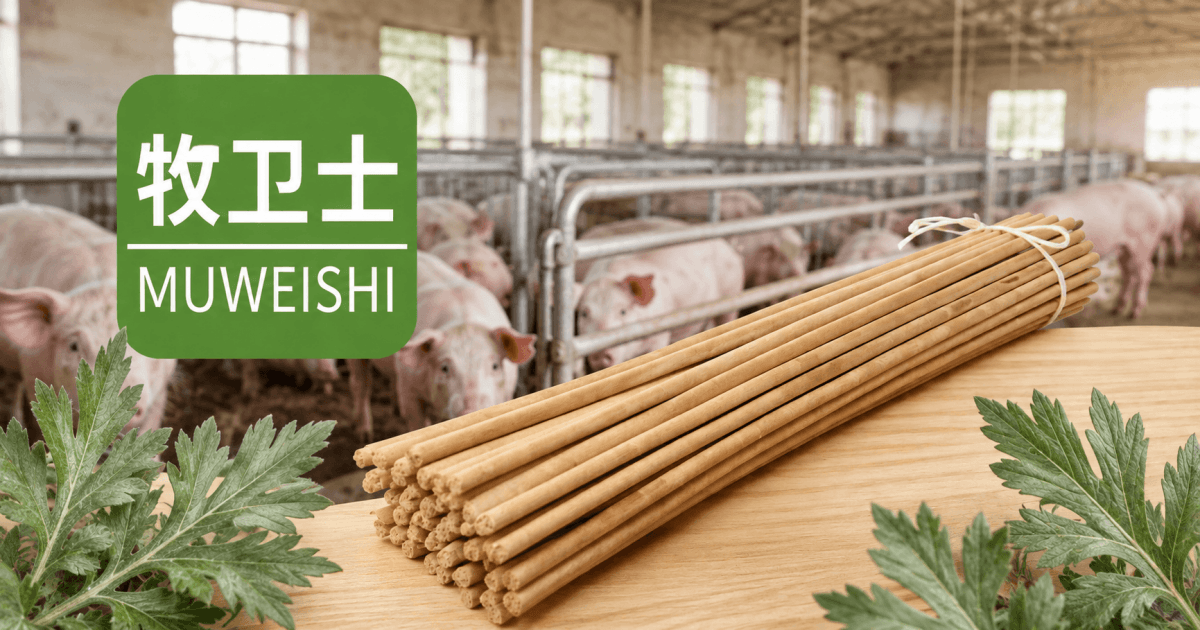
There is no one-size-fits-all path in farm mosquito control. The key is to pick methods by scenario, set the main tool by density, and combine by stage: sanitation fixes the source, livestock coils cover the night, spray handles dead corners, and screens plus light traps hold the boundary. MUWEISHI is a source factory offering the full range of livestock mosquito coils - standard, wormwood, and strong - and can build a combination plan for your species and sheds. For a complete mosquito control plan and pricing, contact us.
FAQ
Between coils, spray, and light traps, which should a farm use?
Start from the scenario and the goal. For whole-night protection over a large area with low labor input, use a livestock coil as the main tool. When mosquitoes and flies suddenly surge or hide in dead corners, add a fast-knockdown spray. Seal windows and doors with screens and use a light trap at night as a supplement. No single method solves everything, so combine coil as the base with physical barriers and good sanitation.
How do the costs of farm mosquito control methods compare?
Sanitation (draining standing water, mowing weeds, removing manure) is cheap but must be done daily. Livestock coils are a consumable with good value, a 1.2 m stick burns about 8-10 hours and covers about 60-80 sqm. Light traps and screens are a one-time investment that amortizes low over time. Residual spraying costs more in chemicals and needs professional operation, so it suits targeted hotspot treatment.
Which mosquito control method is safest around pregnant and young animals?
Pregnant and young animals are sensitive to odor and irritation, so start with physical measures such as screens and light traps, plus a wormwood livestock coil with a mild, low-irritation formula. Use spray sparingly or choose a low-irritation product, and keep up with sanitation such as draining water and mowing weeds. The principle is low concentration, long duration, steady coverage, with proper ventilation.